 Veteran owned business
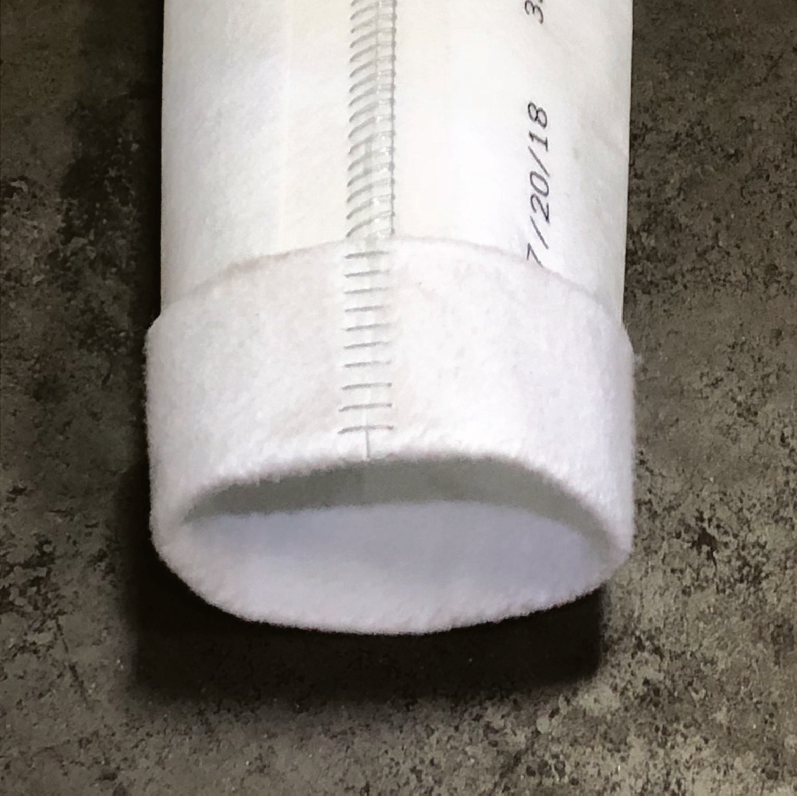
Vet Liner CIPP Transitional Trenchless Liners – 100 Feet 4″x6″X3mm
$700.00
Call for quantity discounts and shipping information 888-370-9455
Vet Liner Liners provide a flexible solution for Cured-In-Place Pipe (CIPP) rehabilitation in pipe sections that change in diameter, shape, or configuration. The liner design helps contractors address challenging transitions where a conventional liner may not provide the required flexibility or fit.
These specialized liners help create a continuous rehabilitation system through difficult pipe transitions. As a result, contractors can restore challenging sections of existing pipe while reducing the need for traditional excavation.
Key Features
- Designed for pipe transitions
- Suitable for CIPP pipe rehabilitation
- Helps accommodate changes in pipe geometry
- Flexible liner design for challenging installations
- Supports trenchless pipe rehabilitation
- Suitable for professional pipe lining applications
- Helps create a continuous rehabilitated pipe section
- Designed for use in difficult transition areas
What Are Transitional Liners?
A transitional liner addresses pipe sections where the existing pipe does not maintain a consistent diameter or geometry. These areas can include transitions between different pipe sizes, changes in pipe shape, or other difficult configurations.
Instead of treating the transition as a separate repair, contractors can use a specialized liner to follow the existing pipe geometry. Therefore, the liner can provide a more practical approach for rehabilitating complex sections of pipe.
CIPP Pipe Rehabilitation Applications
Transitional Liners can support professional trenchless rehabilitation projects involving challenging pipe transitions.
Typical applications may include:
- Pipe diameter transitions
- Changes in pipe geometry
- Irregular pipe sections
- Difficult CIPP installations
- Sewer pipe rehabilitation
- Drain pipe rehabilitation
- Residential pipe lining
- Commercial pipe rehabilitation
- Trenchless pipe repair
Benefits of Vet Liner Transitional Liners
Designed for Complex Pipe Geometry
Traditional CIPP liners work most effectively when the host pipe maintains a relatively consistent shape and diameter. However, some rehabilitation projects contain transitions that require a more flexible solution. Vet Liner Transitional Liners address these challenging areas with a design intended to accommodate changing pipe geometry.
Supports Trenchless Rehabilitation
The liner supports a trenchless pipe rehabilitation approach. Consequently, contractors can rehabilitate difficult pipe sections while reducing the need for extensive excavation.
Helps Maintain a Continuous Lining System
A suitable transitional liner can help connect different sections of a pipe rehabilitation project. This approach can reduce the need for multiple separate repairs and help create a continuous rehabilitated pipe system.
Professional CIPP Solution
The liner is intended for professional CIPP applications. Contractors can integrate it into appropriate pipe rehabilitation procedures based on the project requirements, host-pipe condition, and selected resin system.
How Transitional Lining Works
First, the contractor inspects and prepares the existing pipe. Next, the liner system is selected according to the pipe’s dimensions and geometry.
The installer then prepares the liner with the appropriate resin system. After that, the contractor positions the liner inside the existing pipe and manages the installation so that the liner follows the required transition.
Finally, the installer cures the resin according to the selected CIPP system and manufacturer’s requirements. Once curing is complete, the liner forms the rehabilitated section inside the existing pipe.
Why Choose a Transitional CIPP Liner?
Pipe rehabilitation projects do not always involve straight, uniform pipe sections. Diameter changes, irregular shapes, and complex transitions can make conventional lining techniques more challenging.
A specialized transitional liner provides contractors with a purpose-oriented option for these situations. In addition, trenchless installation can help minimize surface disruption compared with conventional excavation-based pipe replacement.
Product Applications
Vet Liner Transitional Liners are suitable for applications where contractors need to rehabilitate pipe sections with changing geometry.
Common application areas include:
- Sewer rehabilitation
- Drain rehabilitation
- Residential plumbing
- Commercial plumbing
- Complex pipe transitions
- Trenchless pipe repair
- CIPP rehabilitation projects
Product Details
| Specification | Details |
|---|---|
| Product Name | Vet Liner Transitional Liners |
| Product Type | Transitional CIPP Liner |
| Application | Trenchless Pipe Rehabilitation |
| Technology | Cured-In-Place Pipe (CIPP) |
| Primary Use | Pipe Geometry & Diameter Transitions |
| Suitable For | Professional Pipe Rehabilitation |
| Installation | CIPP Lining Process |
Professional Solution for Complex Pipe Transitions
Vet Liner Transitional Liners offer a specialized approach to challenging CIPP rehabilitation projects where pipe diameter or geometry changes along the rehabilitation area. The flexible design helps contractors address transitions that require more adaptability than a standard liner.
Furthermore, the trenchless rehabilitation approach can help reduce excavation requirements and minimize disruption around the work area. For professional results, contractors should select the appropriate liner, resin system, installation method, and curing procedure for each project.
| Roll Length | 100 Feet |
|---|---|
| Diameter | 4"x6"x3"mm |
Only logged in customers who have purchased this product may leave a review.
Related products
Reviews
There are no reviews yet.